Scarless Endo Facelift
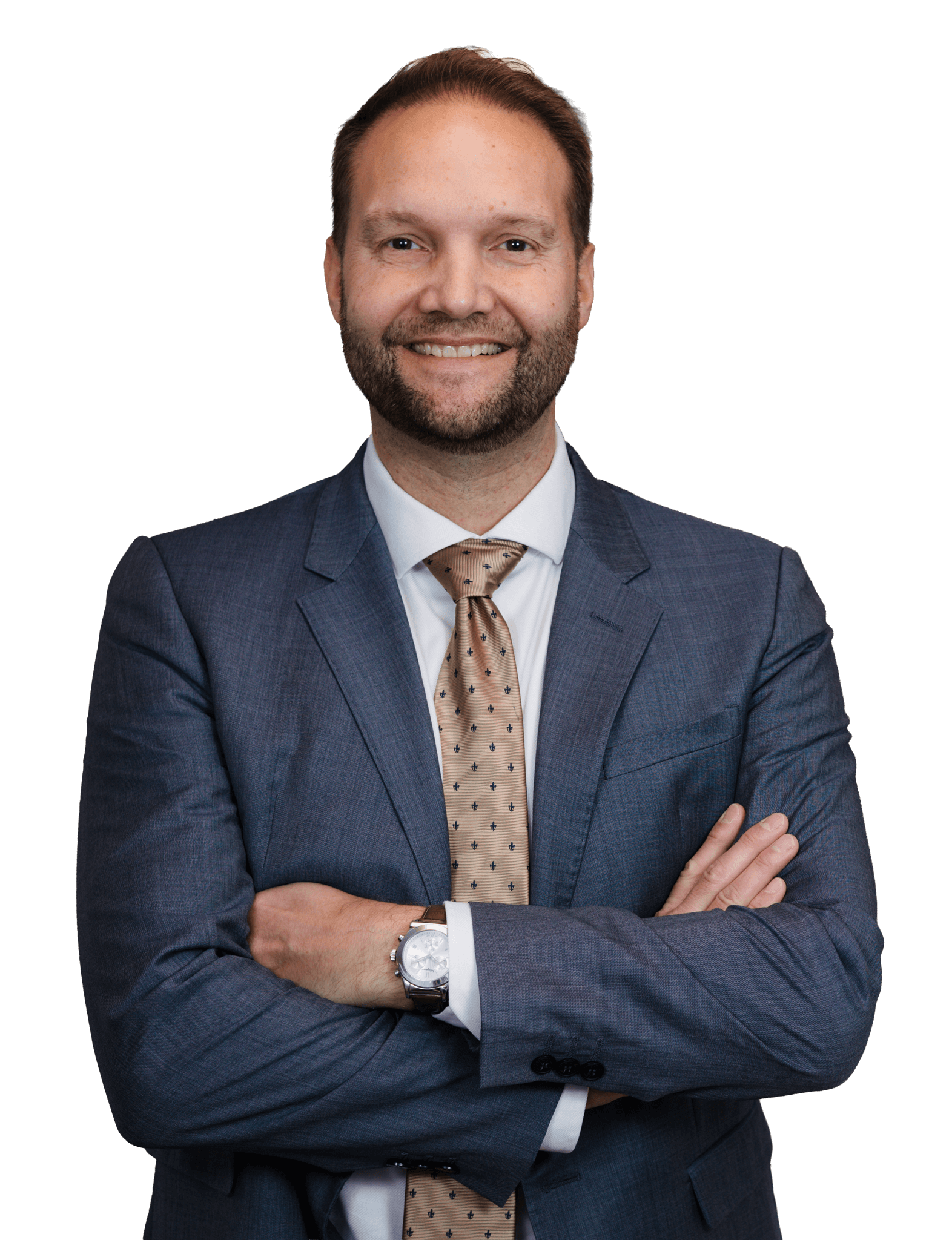
Facial rejuvenation is a deeply personal journey, and my goal has always been to help patients achieve natural, harmonious results with the most advanced techniques available. The endoscopic facelift is a breakthrough in modern plastic surgery, offering a minimally invasive solution with the added benefit of "scarless" results. By strategically placing incisions within the hairline, this technique ensures that your refreshed appearance remains subtle and natural. Let me guide you to a refreshed and confident version of yourself.
Prof. Dr. Andreas Kehrer
What is a Scarless Endo Facelift?
The Scarless Endo Facelift is an endoscopic technique designed to reposition facial tissues through small incisions hidden within the hairline. The term “scarless” means that no visible incisions are normally placed on the face. Like every surgical procedure, however, it still leaves small scars at the access points.
A camera-guided endoscope allows Prof. Dr. Kehrer to view the deeper anatomical structures through these limited incisions. The tissues can then be carefully released, repositioned and secured.
What can the procedure address?
Depending on the individual anatomy and surgical plan, the procedure may address:
- Drooping eyebrows and forehead tissues
- Changes around the temples
- Mild to moderate sagging of the midface
- Loss of youthful facial contours
The technique is particularly suitable for patients who require targeted repositioning but do not yet need a more extensive facelift. Pronounced jowls or significant neck laxity may require a different or additional procedure.
How does it differ from a traditional facelift?
A traditional facelift usually requires longer incisions around the ears. The endoscopic approach uses smaller access points within the hairline and focuses on repositioning deeper tissues.
The best technique depends on the areas affected, tissue quality, previous procedures and the desired result. An endoscopic facelift is therefore not a universal replacement for a Deep Plane Facelift.
Procedure and recovery
The operation is performed under anaesthesia. An endoscope is introduced through small hairline incisions, allowing the tissues to be released and repositioned under direct visual control. The incisions are then carefully closed.
Swelling, bruising and temporary tightness are expected during the initial recovery period. Many patients can gradually resume everyday activities after approximately one to two weeks. Final results develop over several months as swelling subsides and the tissues settle.
Risks and individual planning
Possible risks include bleeding, infection, fluid accumulation, impaired wound healing, numbness, asymmetry, visible scarring, changes near the hairline and injury to facial nerve branches.
Prof. Dr. Kehrer assesses the facial anatomy, tissue quality and treatment goals during a personal consultation. This determines whether an endoscopic technique or another surgical approach is most appropriate.

Do you want to know more?
If you would like to receive more information about what a treatment could mean for you, you can contact me via the form below to make an appointment.